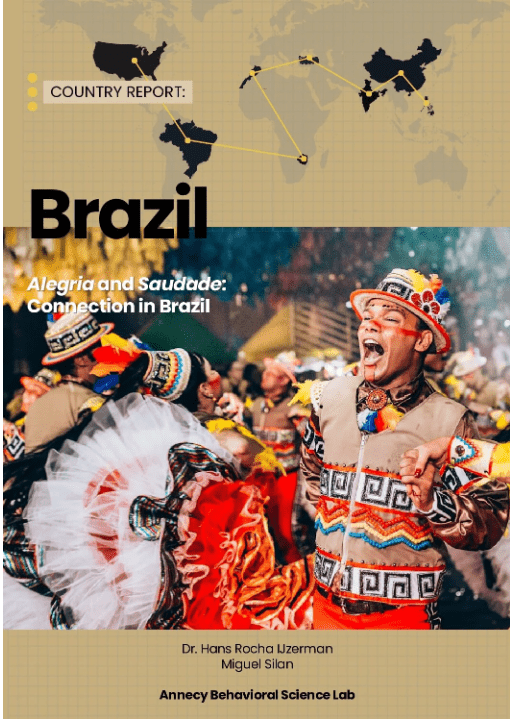
TWCF country report – Brazil
TWCF Country Report: Philippines Rethinking the Science of Human Connection About the publication This report is part of the main study “A Multi-Country Investigation into the Conceptualization and Experience of…

TWCF Country Report: Philippines Rethinking the Science of Human Connection About the publication This report is part of the main study “A Multi-Country Investigation into the Conceptualization and Experience of…
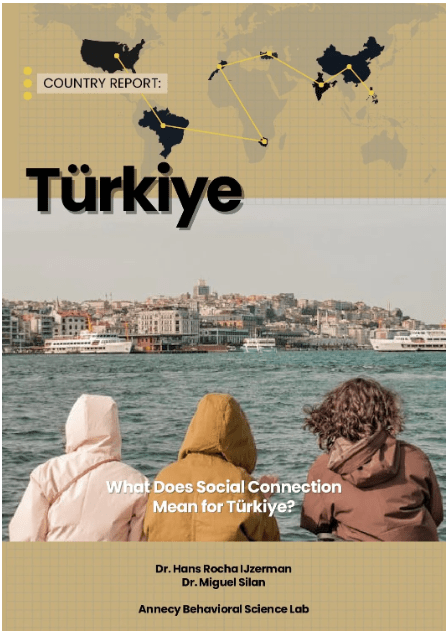
TWCF Country Report: Turkiye Rethinking the Science of Human Connection About the publication This report is part of the main study “A Multi-Country Investigation into the Conceptualization and Experience of…

Key points Workplace loneliness is an organizational issue, not just a personal one: It shapes how people show up, collaborate, and how long they stay. Structures, leadership behavior, and culture…
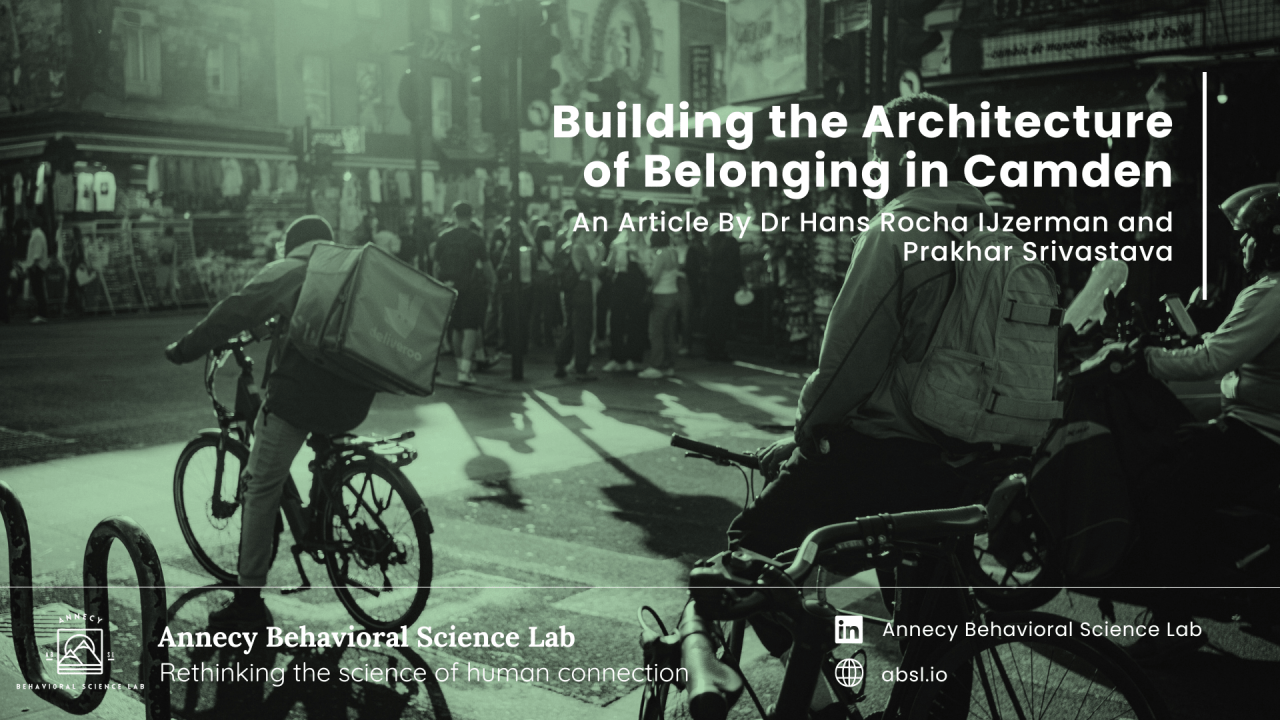
Some people feel deeply connected to their neighbourhood—invested, engaged, and truly at home—while others, even just doors apart, feel isolated or disconnected. Why does this happen?
Recent years have seen a pivotal shift in how governments approach social isolation and loneliness, marked by the groundbreaking appointment of Ministers of Loneliness in the UK and Japan, and the World Health Organization’s establishment of its first commission on social connection.
As we conclude our Connecting the Dots series, it's clear that tackling social isolation and loneliness (SIL) requires a deep rethinking of how we approach both research and practice. The journey through this series ...
Social isolation and loneliness (SIL) research is facing a credibility crisis, largely driven by low-quality studies, insufficient sample sizes, and an overreliance on small-scale interventions that lack replicability.
Social isolation and loneliness (SIL) have emerged as significant public health concerns, with research demonstrating their profound impact on physical and mental health outcomes.
As social isolation and loneliness emerge as critical public health concerns, we face a pressing challenge: our tools for measuring these phenomena haven't kept pace with our understanding of their complexity.
We often hear claims like “15% of French citizens are lonely,” but how confident can we be in such statistics? The tools we use to measure constructs like loneliness are complex, and it turns out that much of what we think we know may be built on shaky foundations. In reality, the numbers we rely on might not fully capture what we hope they do.