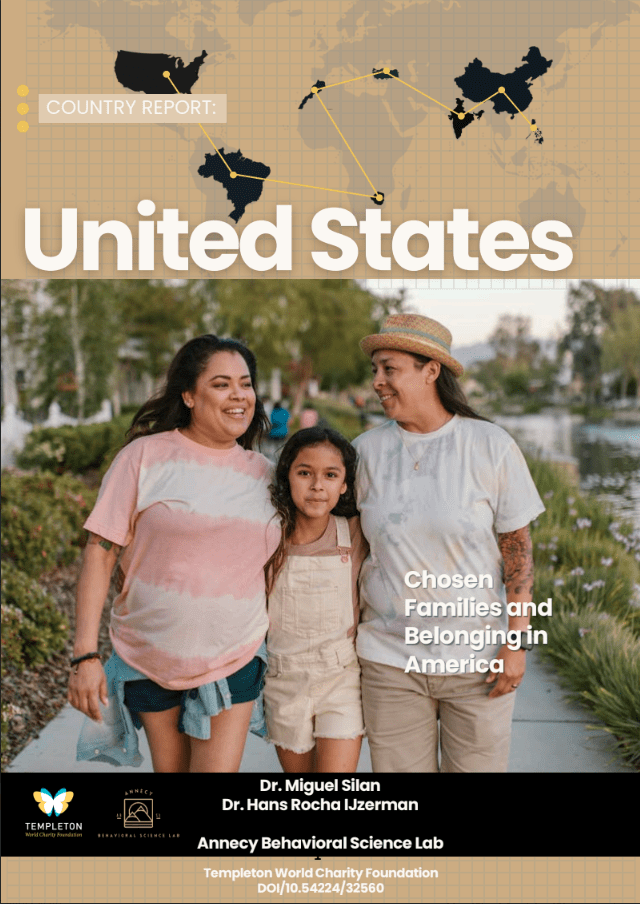
TWCF country report – USA
TWCF Country Report: USA Rethinking the Science of Human Connection About the publication This report is part of the main study “A Multi-Country Investigation into the Conceptualization and Experience of…

TWCF Country Report: USA Rethinking the Science of Human Connection About the publication This report is part of the main study “A Multi-Country Investigation into the Conceptualization and Experience of…
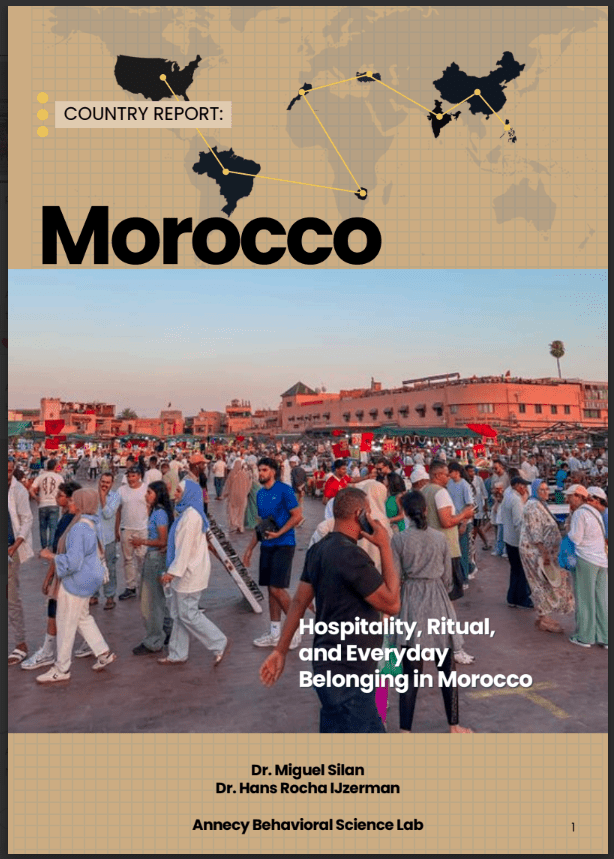
TWCF Country Report: Morocco Rethinking the Science of Human Connection About the publication This report is part of the main study “A Multi-Country Investigation into the Conceptualization and Experience of…
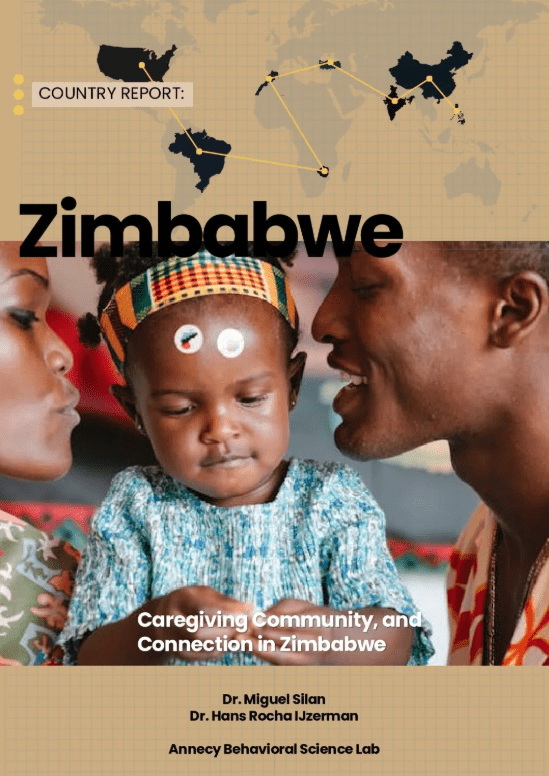
TWCF Country Report: Zimbabwe Rethinking the Science of Human Connection About the publication This report is part of the main study “A Multi-Country Investigation into the Conceptualization and Experience of…
The LONELY-EU Evidence Quality Rating System: A Framework for Reliable Loneliness Measurement in EU Policy.
Relationship quality is a foundational construct, but there is no consensus on its definition, conceptualization and measurement. Here we explore the conceptualization of relationship quality by conducting in-depth interviews with…
Relying on data from an EU Loneliness survey, we examine three loneliness measurements for their suitability in population surveys. We will assess the factor structure, reliability, measurement invariance, and nomological…
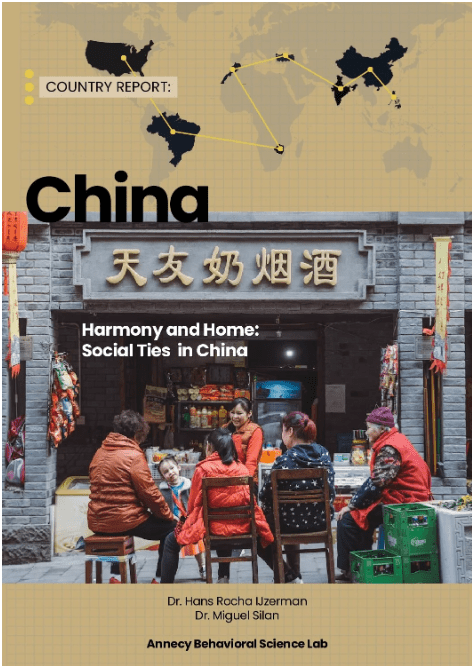
TWCF Country Report: China Rethinking the Science of Human Connection About the publication This report is part of the main study “A Multi-Country Investigation into the Conceptualization and Experience of…

TWCF Country Report: Philippines Rethinking the Science of Human Connection About the publication This report is part of the main study “A Multi-Country Investigation into the Conceptualization and Experience of…
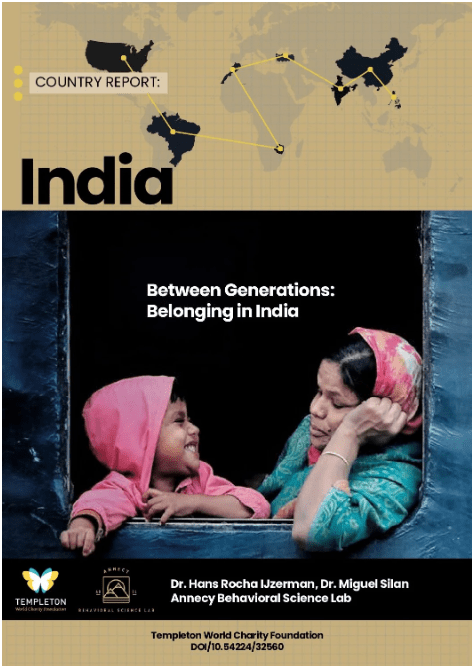
TWCF Country Report: India Rethinking the Science of Human Connection About the publication This report is part of the main study “A Multi-Country Investigation into the Conceptualization and Experience of…
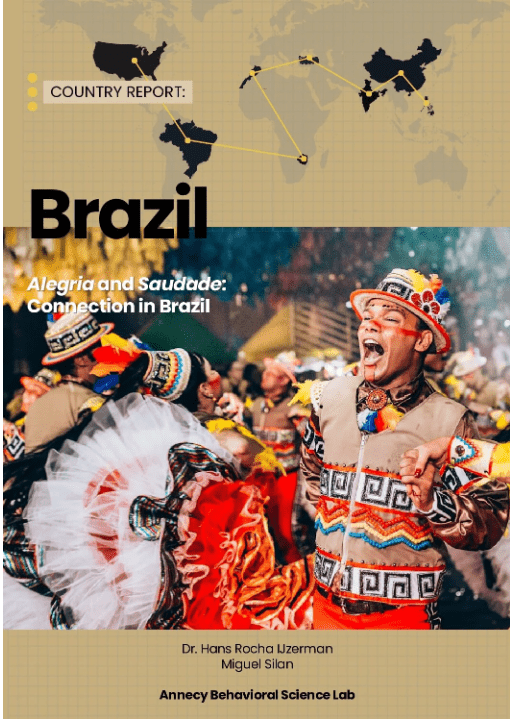
TWCF Country Report: Brazil Rethinking the Science of Human Connection About the publication This report is part of the main study “A Multi-Country Investigation into the Conceptualization and Experience of…