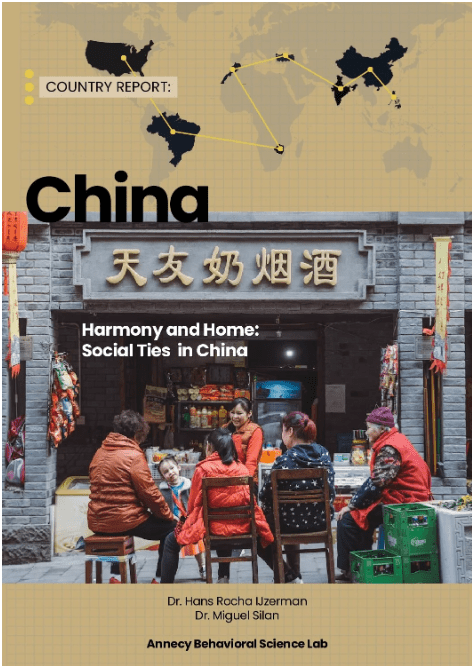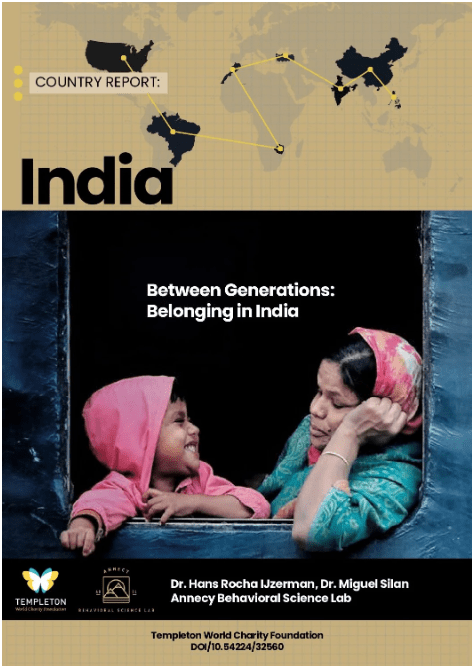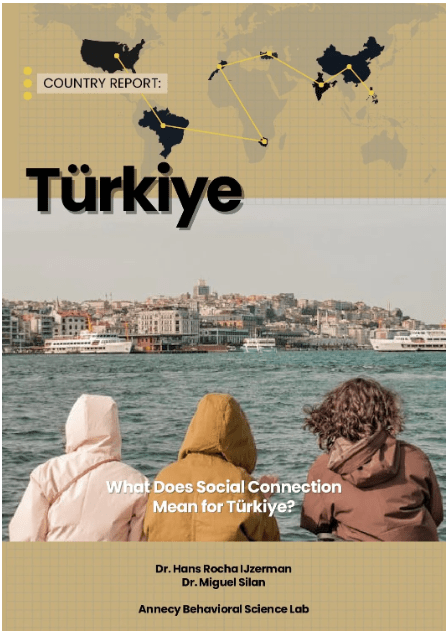

TWCF country report – China
TWCF Country Report: China Rethinking the Science of Human Connection About the publication This report is part of the main study “A Multi-Country Investigation into the Conceptualization and Experience of…
TWCF Country Report: Philippines Rethinking the Science of Human Connection About the publication This report is part of the main study “A Multi-Country Investigation into the Conceptualization and Experience of…
TWCF Country Report: India Rethinking the Science of Human Connection About the publication This report is part of the main study “A Multi-Country Investigation into the Conceptualization and Experience of…
TWCF Country Report: Philippines Rethinking the Science of Human Connection About the publication This report is part of the main study “A Multi-Country Investigation into the Conceptualization and Experience of…
TWCF Country Report: Turkiye Rethinking the Science of Human Connection About the publication This report is part of the main study “A Multi-Country Investigation into the Conceptualization and Experience of…
As social isolation and loneliness emerge as critical public health concerns, we face a pressing challenge: our tools for measuring these phenomena haven't kept pace with our understanding of their complexity.
We often hear claims like “15% of French citizens are lonely,” but how confident can we be in such statistics? The tools we use to measure constructs like loneliness are complex, and it turns out that much of what we think we know may be built on shaky foundations. In reality, the numbers we rely on might not fully capture what we hope they do.